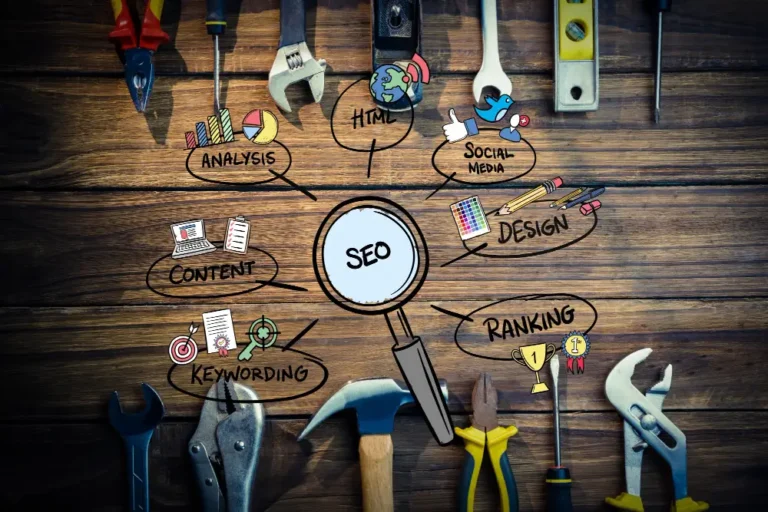
Search engine optimization (SEO) is one of the most effective ways for small businesses to increase online visibility, attract qualified traffic, and generate more leads. While paid advertising can deliver immediate results, SEO provides long-term benefits by helping your website rank higher in search engine results. A well-optimized website makes it easier for potential customers to find your business when searching for products or services you offer. Whether you’re launching a new website or improving an existing one, following a comprehensive website SEO checklist will help strengthen your online presence and support sustainable business growth.
Start with Keyword Research
Every successful SEO strategy begins with keyword research. Understanding what your target audience is searching for allows you to create content that matches their needs. Focus on relevant primary keywords along with supporting long-tail keywords that reflect user intent. Instead of targeting broad terms with high competition, small businesses often benefit from location-based and industry-specific keywords that attract more qualified visitors.
Optimize Your Title Tags and Meta Descriptions
Title tags and meta descriptions play an important role in both SEO and click-through rates. Every page should have a unique title that includes your primary keyword naturally while clearly describing the page content. Meta descriptions should provide a concise summary that encourages users to click on your website from search results. Well-written metadata improves search visibility and helps attract more organic traffic.
Use Proper Heading Structure
Organizing your content with clear headings makes it easier for both users and search engines to understand your website. Each page should include a single H1 heading that reflects the main topic, followed by H2 and H3 headings to organize supporting information. A logical heading structure improves readability while helping search engines better interpret your content.
Create High-Quality and Valuable Content
Content remains one of the most important ranking factors in SEO. Your website should provide useful, informative, and original content that answers your audience’s questions. Service pages, blog posts, FAQs, and educational resources all contribute to stronger search visibility. Updating your content regularly also signals to search engines that your website remains active and relevant.
Optimize Images for Better Performance
Images enhance user experience, but they should also be optimized for SEO. Compress image files to improve loading speed, use descriptive filenames, and include meaningful alt text that accurately describes each image. Optimized images not only improve accessibility but also help your website appear in image search results while contributing to faster page performance.
Improve Website Speed
Website speed is a critical ranking factor and an essential part of both technical SEO and user experience. Slow websites often experience higher bounce rates and lower conversion rates. Improve loading times by optimizing images, minimizing CSS and JavaScript files, enabling browser caching, choosing reliable web hosting, and using a Content Delivery Network (CDN). Faster websites provide a better experience for users and are more likely to rank well in search results.
Ensure Your Website Is Mobile-Friendly
Google uses mobile-first indexing, meaning it primarily evaluates the mobile version of your website for ranking purposes. Your website should display properly across all screen sizes with responsive layouts, readable text, and easy-to-use navigation. A mobile-friendly website improves usability while supporting better search engine performance.
Focus on Technical SEO
A strong technical SEO foundation helps search engines crawl and index your website efficiently. Make sure your website has a secure HTTPS connection, an XML sitemap, a properly configured robots.txt file, clean URL structures, and no broken links. Regular technical audits help identify issues that may prevent search engines from accessing or understanding your content.
Build Strong Internal Linking
Internal links connect related pages across your website, making it easier for users to navigate while helping search engines discover important content. Linking blog posts to service pages, related articles, and key landing pages improves user engagement and distributes authority throughout your website. A well-planned internal linking strategy supports both SEO and user experience.
Optimize for Local SEO
For businesses serving specific geographic areas, Local SEO is essential. Include your business name, address, and phone number consistently across your website and online directories. Create location-specific landing pages where appropriate and optimize your Google Business Profile with accurate information, business hours, photos, and customer reviews. Local SEO helps your business appear in local search results and Google Maps, making it easier for nearby customers to find you.
Monitor Website Performance Regularly
SEO is an ongoing process, not a one-time task. Regularly monitor your website’s performance using tools such as Google Search Console and Google Analytics. Track keyword rankings, organic traffic, click-through rates, page performance, and user behavior to identify opportunities for improvement. Regular audits help you stay ahead of technical issues and changing search engine algorithms.
Final Thoughts
A successful website SEO checklist combines quality content, strong on-page SEO, effective technical SEO, and a well-planned Local SEO strategy. By optimizing every aspect of your website—from keywords and metadata to website speed and mobile usability—you improve your chances of ranking higher in Google search results while creating a better experience for your visitors.
SEO is an ongoing investment that delivers long-term value for small businesses. By consistently following these best practices, updating your content, and monitoring your website’s performance, you can increase online visibility, attract more qualified traffic, generate higher-quality leads, and build a stronger digital presence that supports business growth well beyond 2026.