In today’s digital world, a successful website should be accessible to everyone, regardless of their abilities or the devices they use. Website accessibility ensures that people with visual, hearing, motor, or cognitive disabilities can easily navigate, understand, and interact with your website. Beyond creating an inclusive online experience, accessibility also plays an important role in improving search engine optimization (SEO), user experience (UX), and overall website performance. As businesses continue to prioritize digital growth in 2026, building an accessible website is no longer just a recommendation—it’s a necessity.
What Is Website Accessibility?
Website accessibility refers to designing and developing websites that can be used by all individuals, including those with disabilities. This involves following recognized accessibility standards such as the Web Content Accessibility Guidelines (WCAG) to ensure websites are easy to navigate, readable, and compatible with assistive technologies like screen readers, keyboard navigation, and voice recognition software. An accessible website provides equal access to information and services for every visitor.
Accessibility Improves User Experience
A website designed with accessibility in mind naturally creates a better experience for all users. Clear navigation, readable fonts, high color contrast, descriptive headings, and properly labeled buttons make it easier for visitors to find information quickly. Users appreciate websites that are simple to navigate and easy to understand, regardless of whether they have a disability. A positive user experience encourages visitors to stay longer, explore more pages, and interact with your business.
Website Accessibility Supports SEO
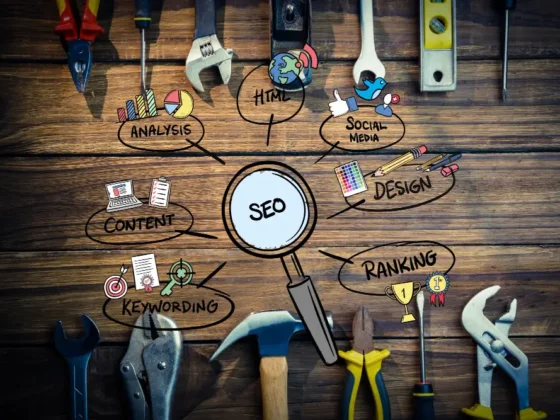
Many accessibility best practices also align with Google’s SEO guidelines. Search engines rely on well-structured content to understand and index web pages effectively. Features such as descriptive alt text for images, proper heading structures, meaningful link text, and organized page layouts help search engines interpret your content more accurately. As a result, improving website accessibility often leads to better search visibility and stronger rankings in organic search results.
ADA Compliance Protects Your Business
Many businesses are expected to provide accessible digital experiences under accessibility regulations such as the Americans with Disabilities Act (ADA). While legal requirements may vary depending on your location and industry, creating an accessible website helps reduce compliance risks and demonstrates your commitment to serving all customers equally. Investing in accessibility today can help protect your business while strengthening your reputation as an inclusive brand.
Accessible Websites Reach a Larger Audience
Millions of people worldwide rely on assistive technologies to browse the internet. If your website isn’t accessible, you’re potentially excluding a significant portion of your target audience. An accessible website allows more people to engage with your products, services, and content, increasing opportunities for lead generation, customer acquisition, and long-term business growth. Accessibility isn’t just about compliance—it’s about expanding your reach.
Common Website Accessibility Features
There are several simple improvements that make websites more accessible. These include providing descriptive alternative (alt) text for images, ensuring sufficient color contrast between text and backgrounds, enabling full keyboard navigation, adding captions or transcripts for videos, using descriptive page headings, creating clear form labels, and avoiding design elements that make content difficult to read or navigate. Together, these features improve usability for everyone.
Accessibility Enhances Mobile User Experience
Responsive web design and accessibility often work together. Mobile users benefit from larger touch targets, readable typography, scalable content, and intuitive navigation—all of which are important accessibility practices. Since Google primarily uses mobile-first indexing, ensuring your website is both accessible and mobile-friendly helps improve search performance while creating a consistent experience across all devices.
Accessibility Builds Customer Trust
An accessible website demonstrates that your business values every visitor. Customers are more likely to trust businesses that prioritize inclusivity and provide equal access to information. A positive experience encourages visitors to return, recommend your business, and engage with your brand over the long term. Accessibility strengthens your reputation while improving customer satisfaction and loyalty.
How to Improve Website Accessibility
Improving accessibility begins with evaluating your current website for usability issues. Review your heading structure, image alt text, color contrast, keyboard functionality, and form accessibility. Make sure links clearly describe their destination, videos include captions, and interactive elements are easy to use. Regular accessibility testing using industry-standard tools can help identify areas that require improvement and ensure your website continues to meet modern accessibility standards.
Accessibility Is an Investment in Long-Term Success
Website accessibility is not simply about meeting technical requirements—it is about creating a better digital experience for every visitor. Businesses that invest in accessible web design benefit from improved usability, stronger SEO performance, greater audience reach, and enhanced customer trust. As search engines continue to prioritize user experience, accessibility has become an essential part of building a successful online presence.
Final Thoughts
Creating an accessible website benefits both your users and your business. From improving SEO and UX design to supporting ADA compliance and expanding your audience, accessibility provides long-term value that goes far beyond legal requirements. By making your website easier to navigate and interact with, you create a more inclusive online experience that improves customer satisfaction, increases engagement, and supports sustainable business growth.
In 2026 and beyond, businesses that prioritize website accessibility will be better positioned to reach more customers, improve search engine rankings, and deliver exceptional digital experiences for everyone.